
About All Tours Driving Audio ToursFrom Oahu ToursFrom Maui ToursFrom Honolulu ToursBike ToursPrivate Tours Directions Hours & Fees
Find Tours 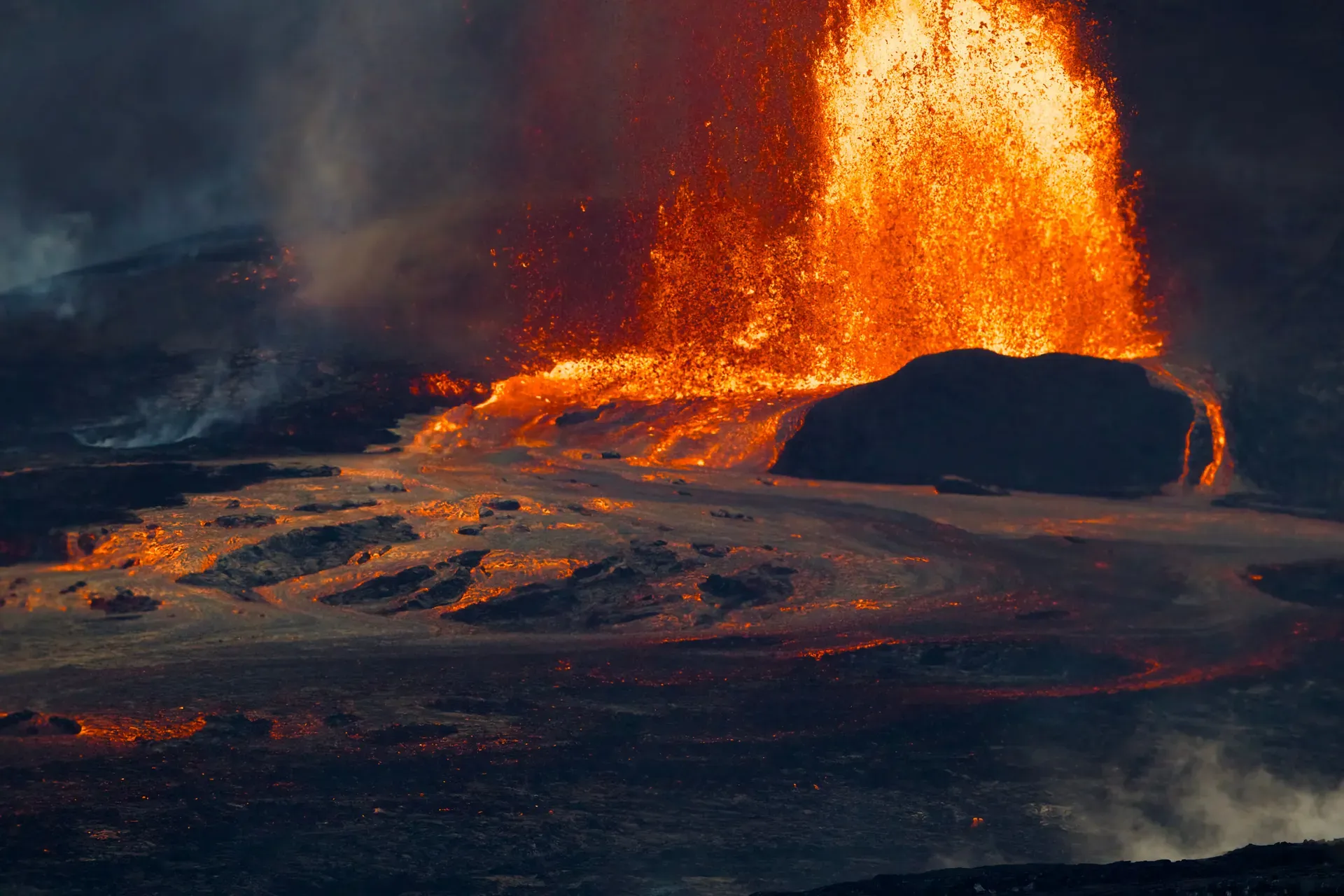
This 354,461-acre UNESCO World Heritage Site encompasses two of the planet's most significant volcanoes, including the 13,679-foot summit of Mauna Loa. Visitors can hike 155 miles of marked trails that transition from giant fern rainforests to the still-steaming solid lava lake of Kīlauea Iki.
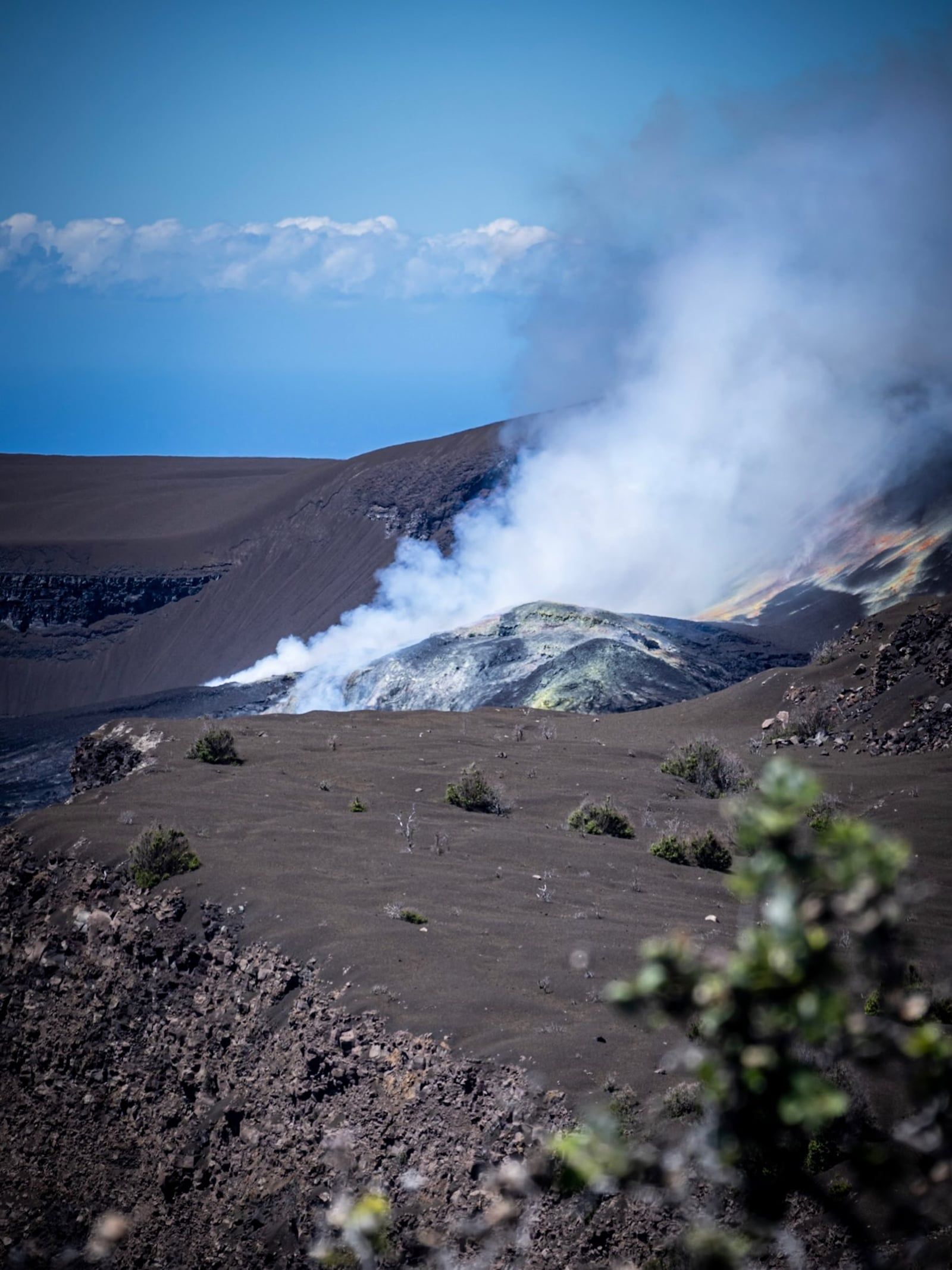
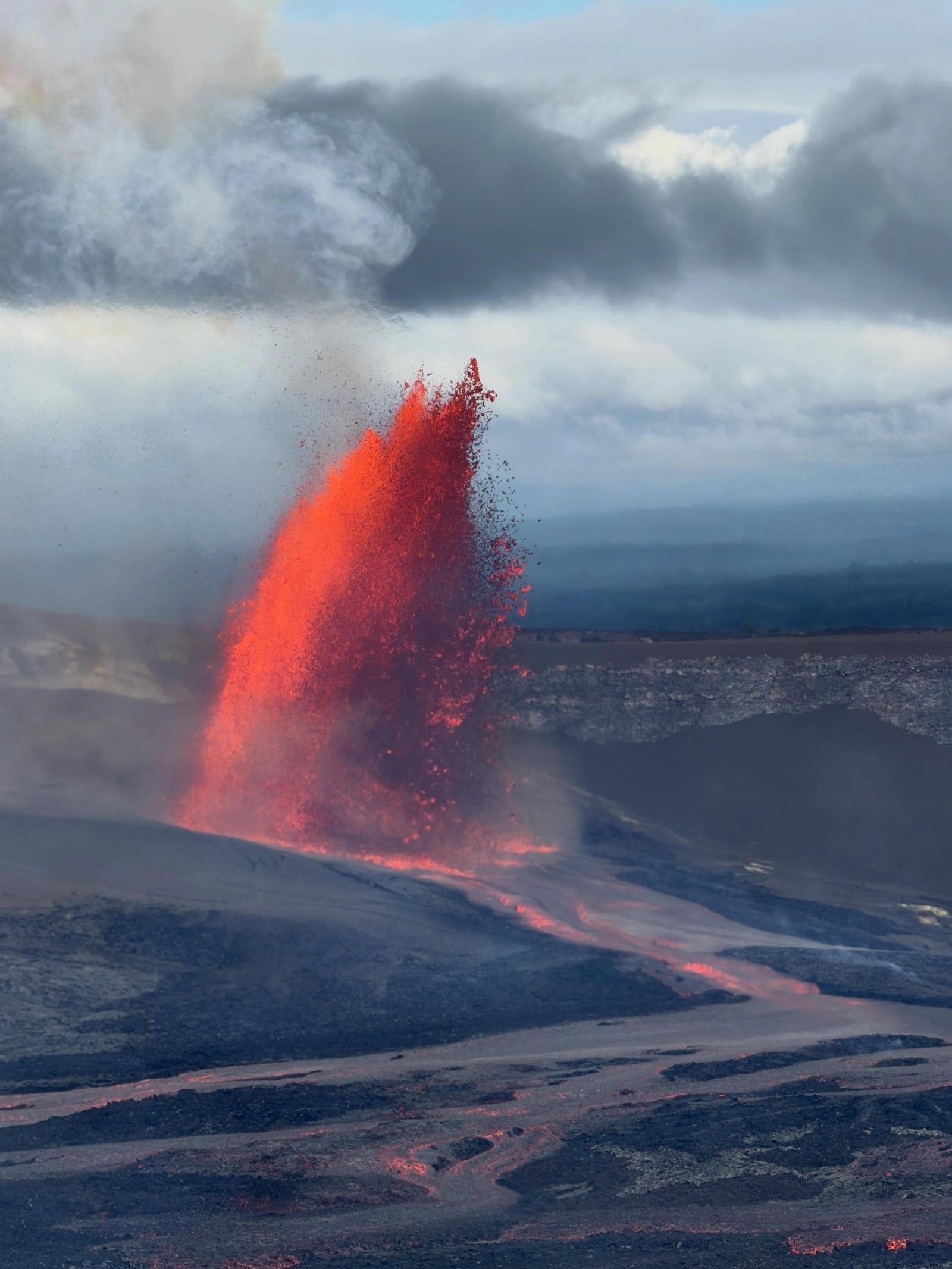
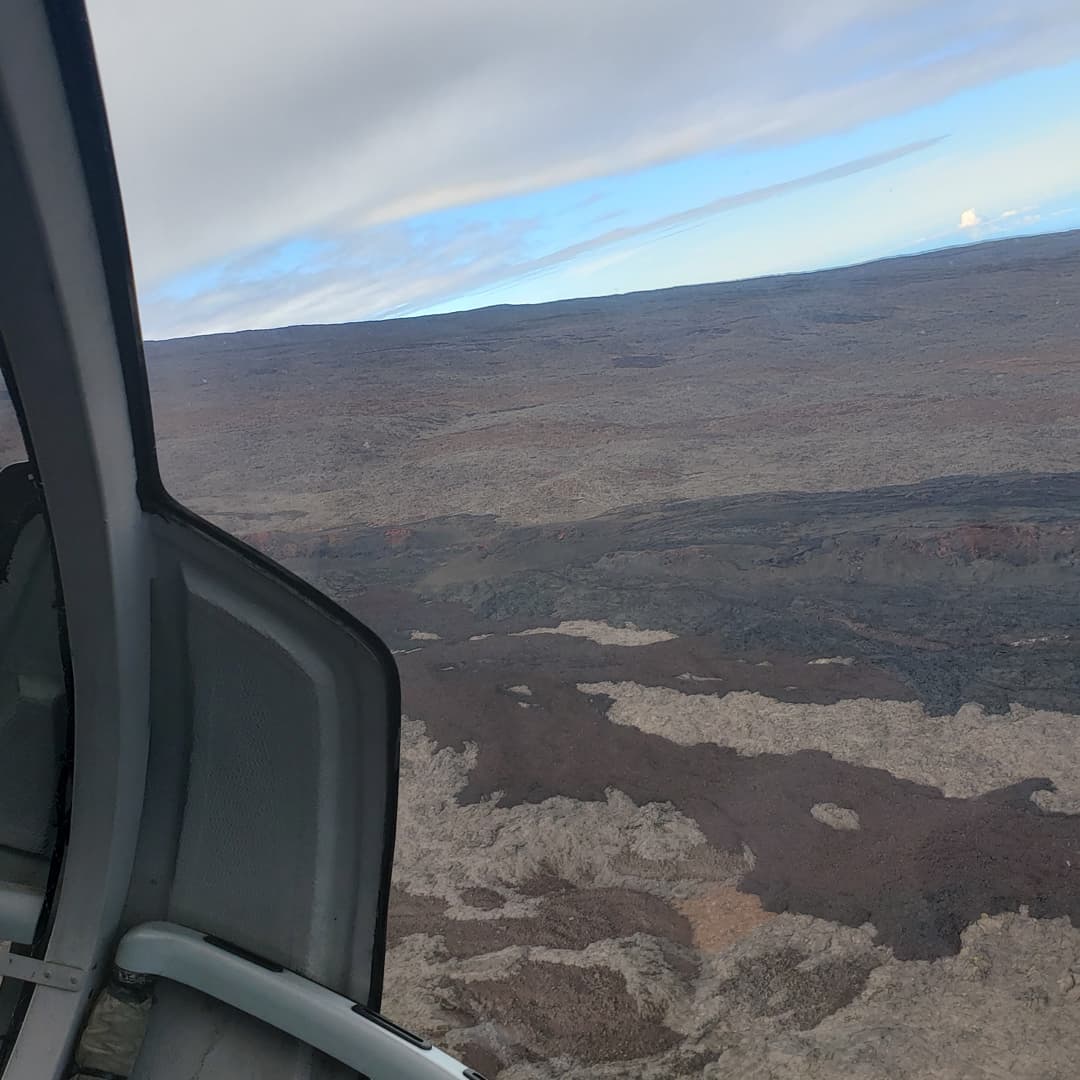
Find Guided ToursHawaii Volcanoes National Park spans 354,461 acres along the southeastern shore of the island of Hawai'i. The park encompasses two of the world's most significant volcanoes: Kīlauea, one of the most active volcanoes globally, and Mauna Loa, the Earth's largest shield volcano. Rising 13,679 feet above sea level, Mauna Loa is so massive that its immense weight causes the ocean floor below it to sink over time.
The physical landscape is dominated by young igneous rock units less than 2,000 years old, providing a premier natural laboratory for studying shield-building volcanism and the evolution of the Hawaiian Islands. Visitors can observe active volcanic centers, gentle slopes, and coastal basalt flows. The park also protects diverse ecosystems, ranging from giant fern rainforests to arid deserts and beaches composed of black basaltic and green olivine sand.
Established by an Act of Congress under President Woodrow Wilson on August 1, 1916, the site was originally named Hawaii National Park. It was the eleventh national park in the United States and the first located in a territory. The park expanded through legislative acts in 1922, 1928, and 1938. On September 22, 1961, it was officially split from Maui's Haleakalā National Park and received its current name.
Beyond its geological milestones, the land holds deep spiritual importance. The volcanic landscape is sacred to the indigenous Kānaka Maoli people, who maintain a spiritual connection to the area and consider eruptions to be sacred events. In recognition of its outstanding natural and cultural value, the park was designated as an International Biosphere Reserve in 1980 and a UNESCO World Heritage Site in 1987.
Discover the full history and cultural significance on our About page.
The 3.2-mile Kīlauea Iki Trail descends through a giant fern rainforest before reaching the still-steaming floor of a crater. Hikers can walk directly across a solid lava lake formed during the 1959 eruption, feeling the immense geological power beneath their feet.
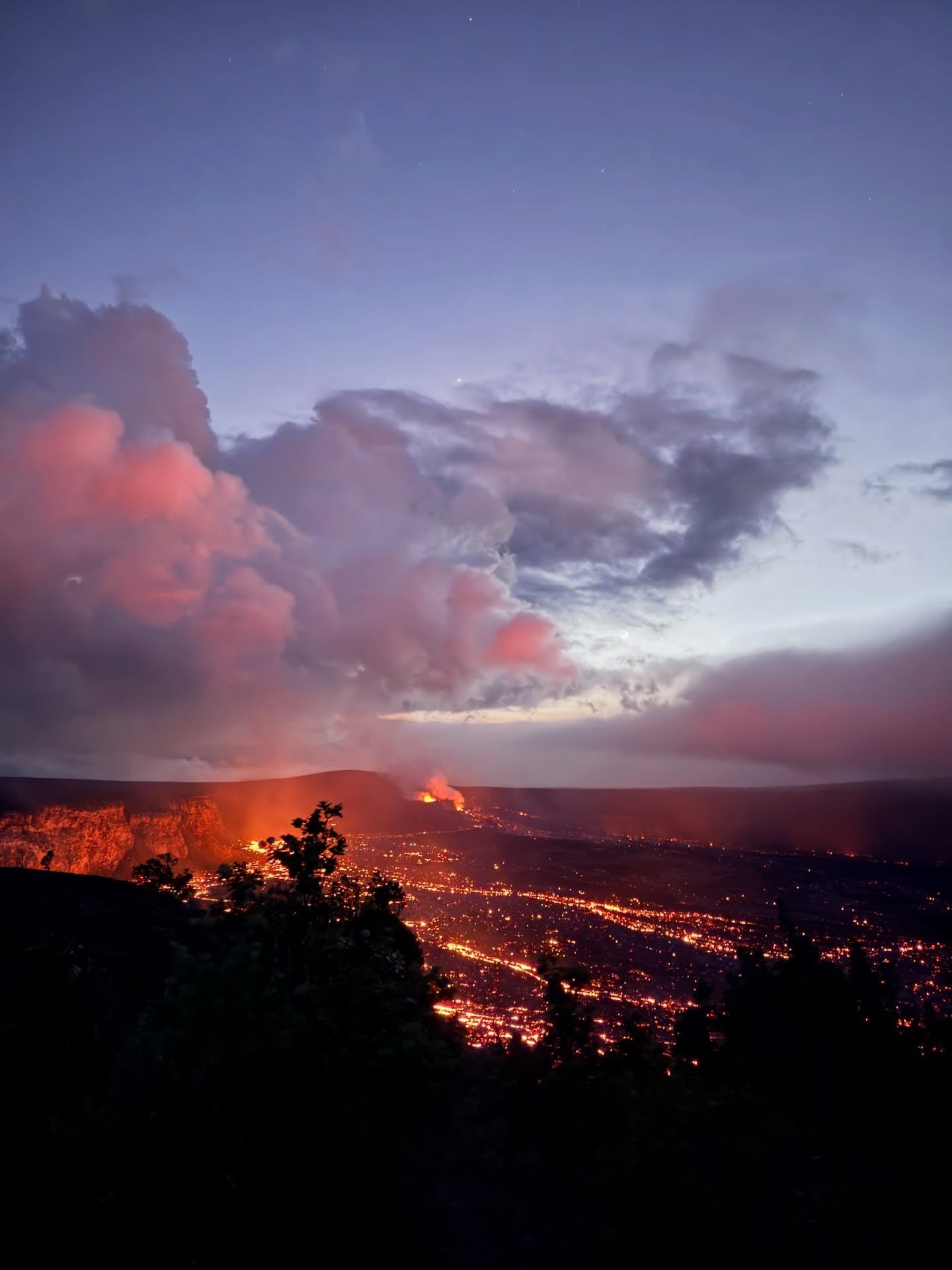
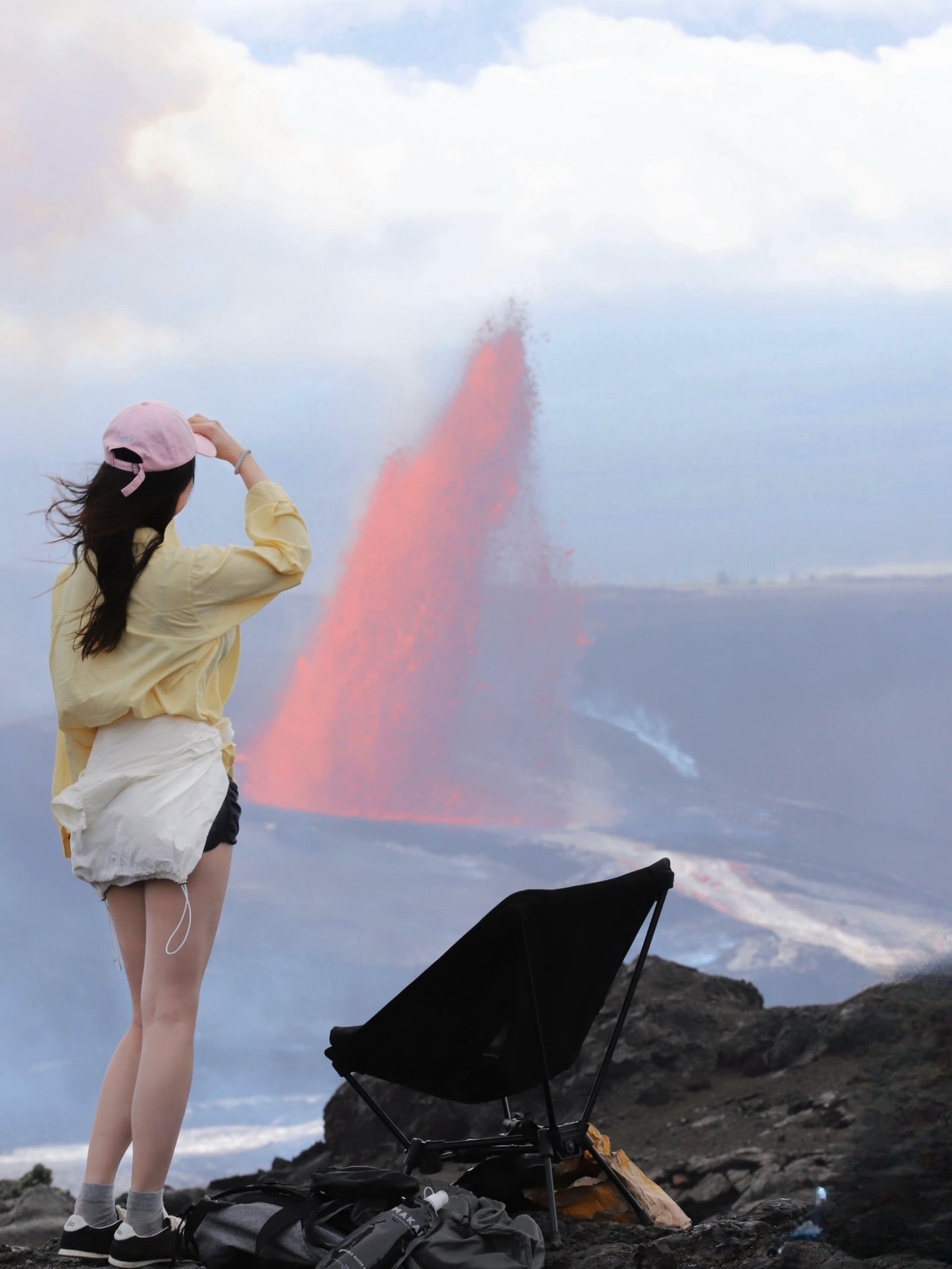
Standing at overlooks along the caldera rim provides a dramatic view into a massive four-square-mile active crater. Visiting after dark yields a mesmerizing sight as the volcanic glow reflects off rising steam clouds. Many travelers spend a night nearby specifically to witness this geological phenomenon.
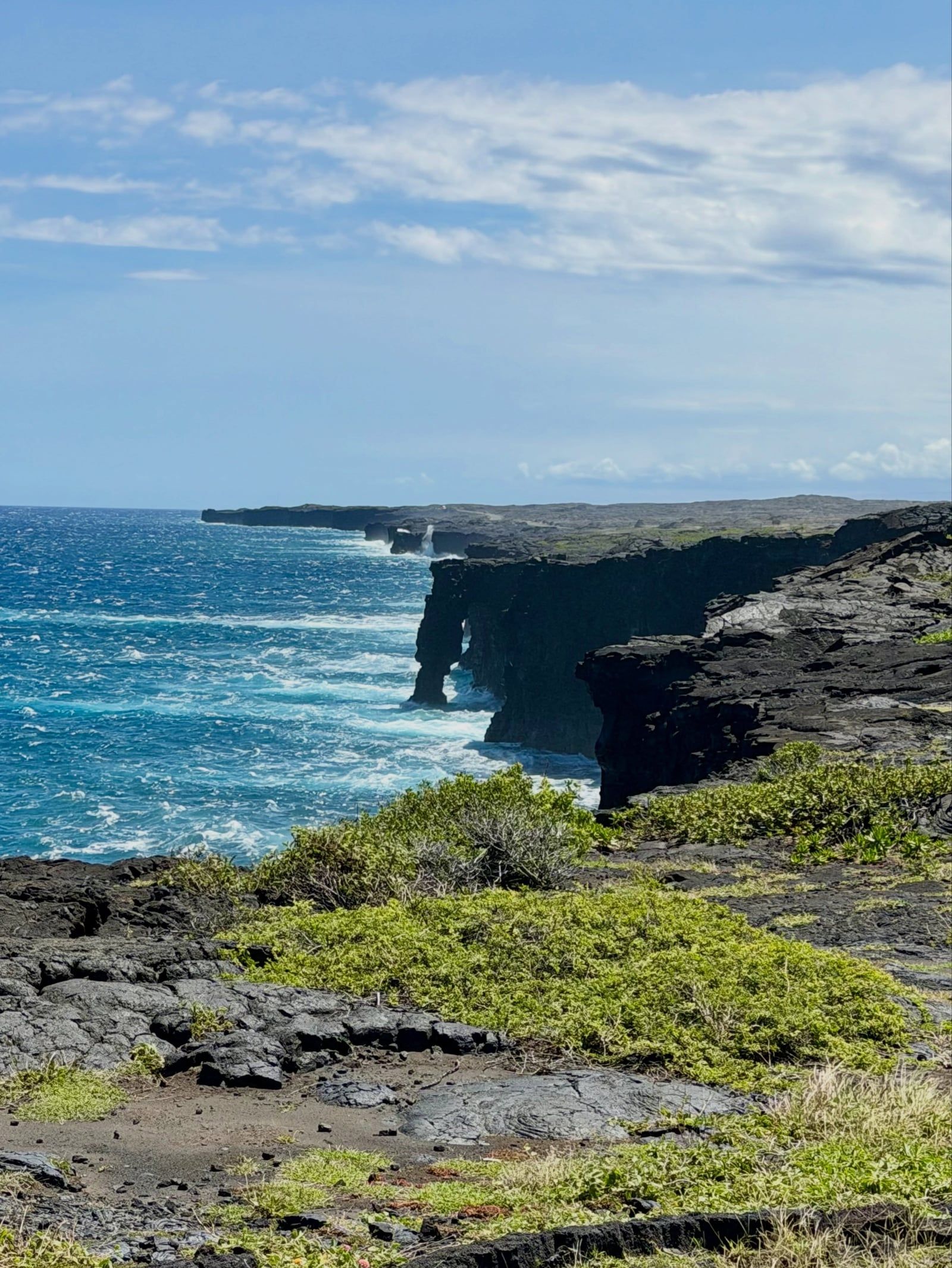
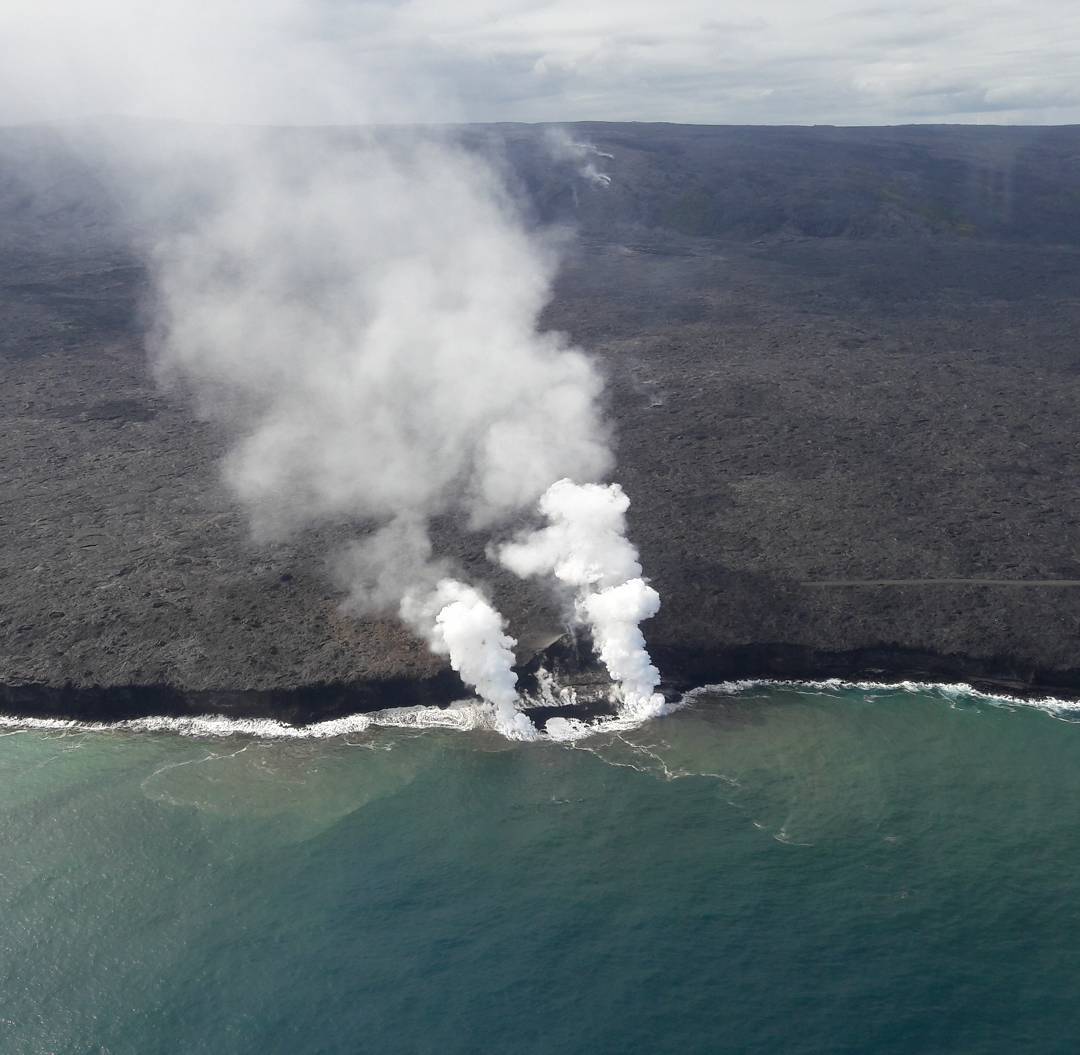
This 18.8-mile scenic route descends 3,700 feet from the summit caldera down to the rugged Pacific coastline. Drivers pass historic lava flows and ancient archeological sites. The road concludes at the Hōlei Sea Arch, a 90-foot-tall natural basalt formation carved by pounding surf.
Nāhuku is a massive, 500-year-old underground cave created by a channel of flowing lava that cooled on the outside. Warm electric lights illuminate the path through this geological formation. Outside the cave, a dense tropical rainforest filled with giant tree ferns surrounds the area.
Hand-picked tours with free cancellation and verified reviews
 Free Cancellation 11h
  Free Cancellation 6h
  Free Cancellation 3h
  Free Cancellation 55min
  Free Cancellation
  Free Cancellation 10h 30min
  Free Cancellation
  Free Cancellation 5h 30min
 The optimal time to visit depends heavily on active eruption phases, which provide the best opportunities to view lava flows and crater glows. Outside of active periods, September and months with fee-free days offer excellent value and special events.
April features fee-free entry days, making it an excellent time for budget-conscious visitors to save on the $30 vehicle fee. Weather can still shift rapidly from sunshine to cold mist.
August includes fee-free days to help offset entrance costs. Visitors should monitor USGS alerts, as periods of high volcanic activity can cause temporary closures of trails due to hazardous gases.
September is highly recommended, featuring National Public Lands Day with free entry and volunteer opportunities. November also offers fee-free days, making autumn excellent for hiking the 155 miles of trails.
These months bring unpredictable tropical weather, including heavy rain and dense fog that can obscure caldera views. There are no strictly bad months, but visitors must prepare for wet conditions.
The main areas of Hawaii Volcanoes National Park remain open 24 hours a day, 365 days a year, including all holidays. The Kīlauea Visitor Center is currently closed for renovations until Summer 2026. During this time, a temporary Welcome Center at the Kilauea Military Camp operates daily from 9:00 a.m. to 4:45 p.m. The separate Kahuku Unit is open Thursday through Sunday from 8:00 a.m. to 4:00 p.m. and closed Monday through Wednesday.
| Category | Price |
|---|---|
| Private vehicle (up to 15 passengers) | $30.00 |
| Motorcycle (up to 2 motorcycles and 4 passengers) | $25.00 |
| Pedestrian or bicyclist (aged 16 and older) | $15.00 |
| Children (15 and under) | Free |
| Commercial mini-bus (16-25 seats) | $100.00 |
| Commercial motor coach (26+ seats) | $200.00 |
| Kahuku Unit Entry | Free |
Standard entrance passes are valid for seven consecutive days. The park entrance station is entirely cashless and accepts only credit or debit cards. Entry is free on designated fee-free days in April, August, September, and November. Frequent visitors can purchase a Hawaii Tri-Park Annual Pass for $55.
For complete schedules and ticket prices, visit our Hours & Fees page.
Hawaii Volcanoes National Park is located 30 miles southwest of Hilo. Visitors typically reach the park's main entrance by traveling along Highway 11 using a rental vehicle or the county bus system.
📍 Highway 11, Island of Hawai'i
Travelers can drive southwest from Hilo along Highway 11 directly to the park's main entrance. Rental cars are the most popular mode of transportation for visitors. You can reserve these vehicles at Hilo International Airport, as no rental services operate inside the park boundaries. The route covers 30 miles and brings you straight to the entrance station.
The Hele-On Bus provides daily public transit service to the park. Operated by Hawaiʻi County, Route 11 (Red Line) runs from Hilo directly to Volcano. The bus drops passengers off at the intersection of Volcano House and the second entrance to Kīlauea. This fare-free service is a highly cost-effective alternative to renting a vehicle.
For detailed transport options and routes, visit our Directions page.
Parking lots at popular trailheads like Nāhuku and Kīlauea Iki fill up rapidly between 10:00 a.m. and 3:00 p.m. Plan to arrive before 9:00 a.m. or after 4:00 p.m. to secure a spot. Adjusting your schedule helps you bypass the heaviest midday traffic.
The main park areas remain open 24 hours a day, 365 days a year. Planning a nighttime visit is the best way to see the volcanic glow reflecting off the steam clouds over Halemaʻumaʻu Crater. Night visits also offer excellent stargazing and lighter crowds.
Weather shifts rapidly from hot sunshine to cold mist and rain. Bring a backpack with rain gear, warm layers, and sun protection. When walking on fresh lava flows, wear sturdy closed-toe hiking boots and long pants to prevent severe cuts from sharp, uneven surfaces.
Toxic volcanic gases like sulfur dioxide can accumulate in the summit area. Always check current air quality alerts and USGS updates before heading out. Seniors, infants, and individuals with respiratory or heart conditions must exercise extreme caution and leave immediately if breathing becomes difficult.
The Kīlauea Visitor Center is closed for renovations until Summer 2026. The temporary Welcome Center is relocated to the Kilauea Military Camp, operating daily from 9:00 a.m. to 4:45 p.m. Additionally, remember that the park entrance station is entirely cashless and only accepts cards.
Temperatures on the exposed lava fields can easily reach the high 90s with absolutely no shade. Carry and drink at least three to four quarts of water per person daily. Proper hydration is critical to prevent severe dehydration and heat exhaustion during your hikes.
Located just outside the main park entrance, this rainforest settlement features local art galleries and bed-and-breakfasts. It provides a convenient base for dining and resting after hiking the volcanic trails.
Carved from sea cliffs by the Pacific surf, this 90-foot-tall natural basalt arch sits at the end of Chain of Craters Road. It provides a dramatic view of ocean water colliding with ancient lava flows.
Located in Hilo, this 80-foot waterfall flows over a natural lava cave surrounded by tropical vegetation. The site is famous for the distinct rainbows visible in its mist.
Read what travelers share about their experience visiting Hawaii Volcanoes National Park — from practical tips to personal highlights.
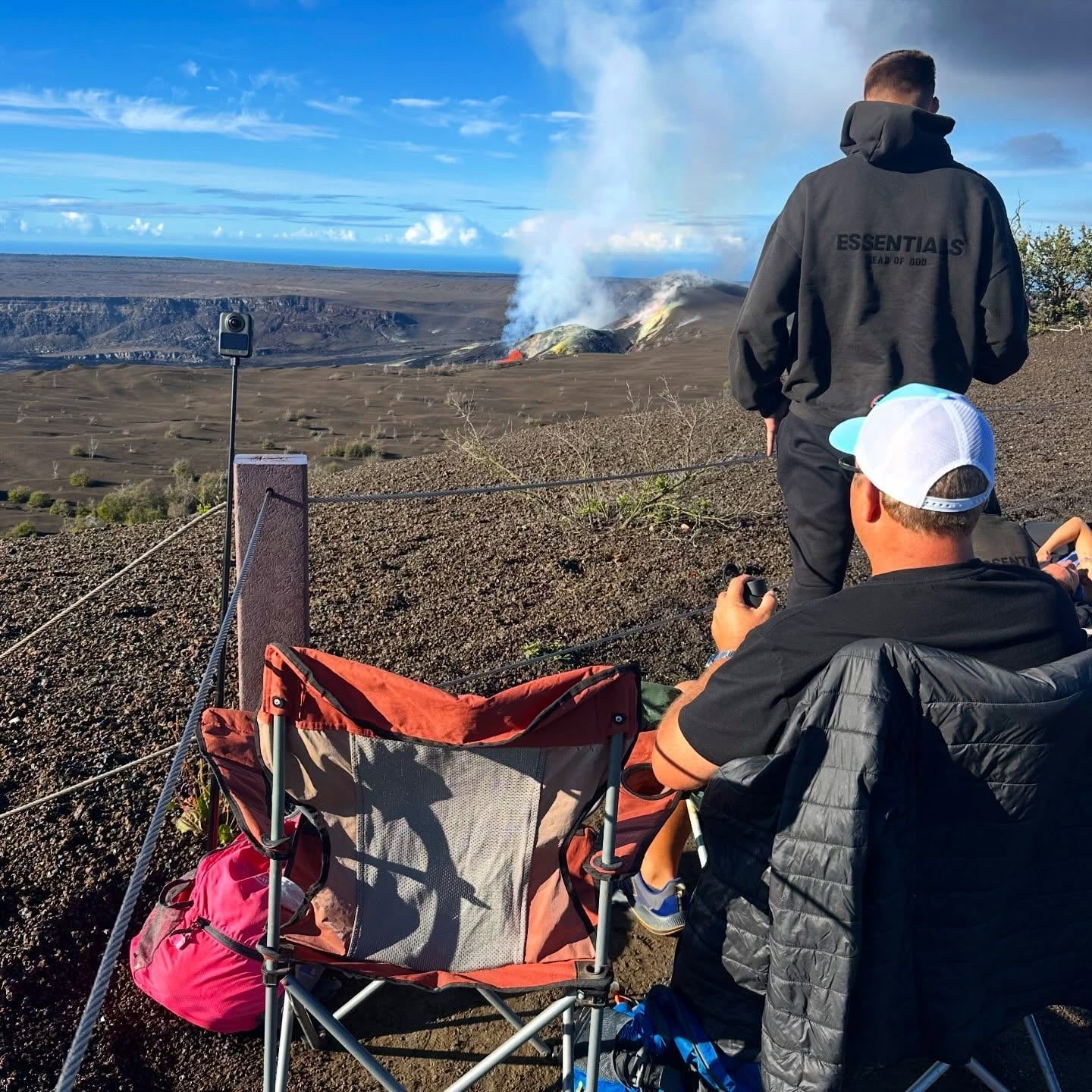
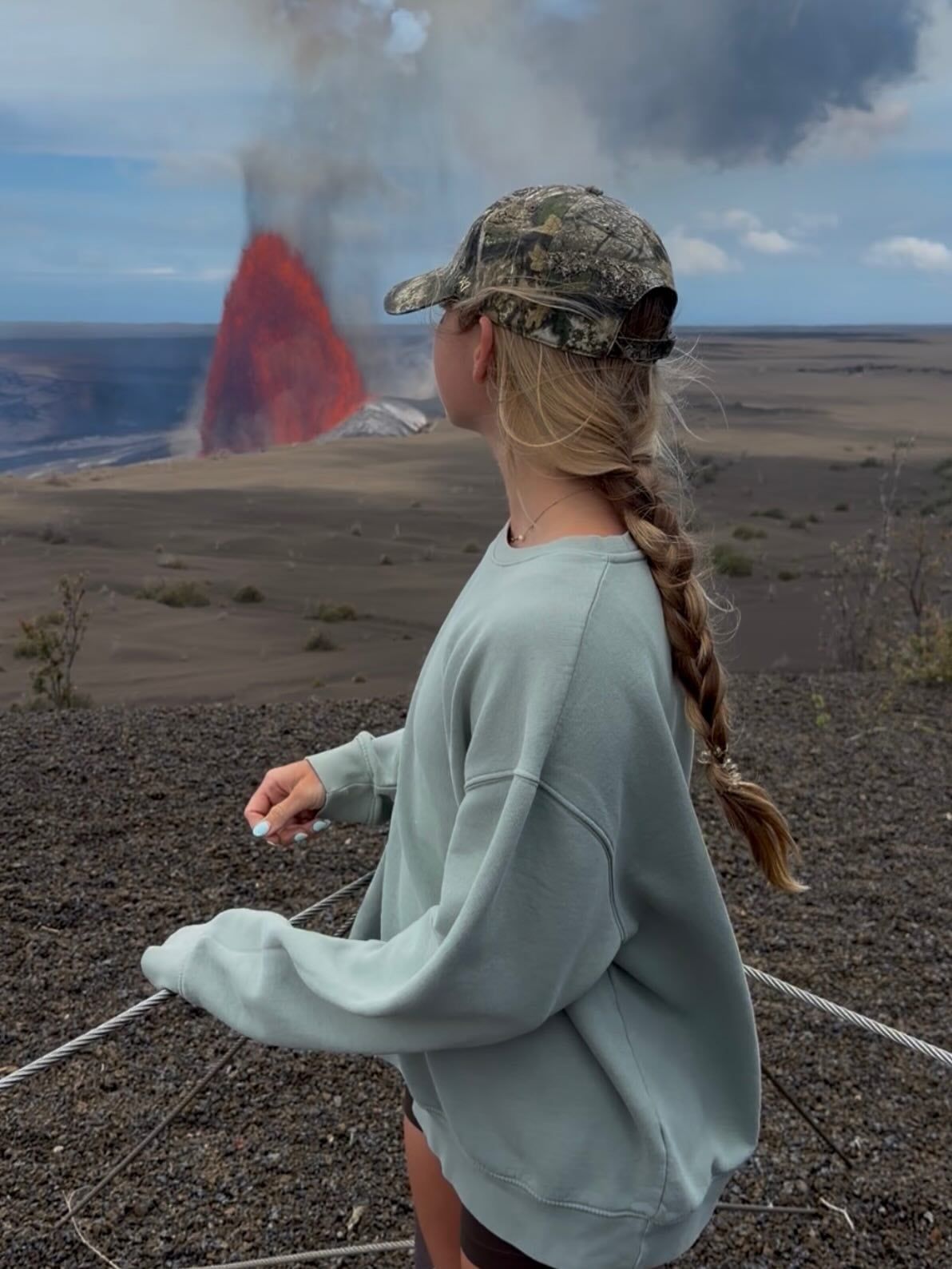
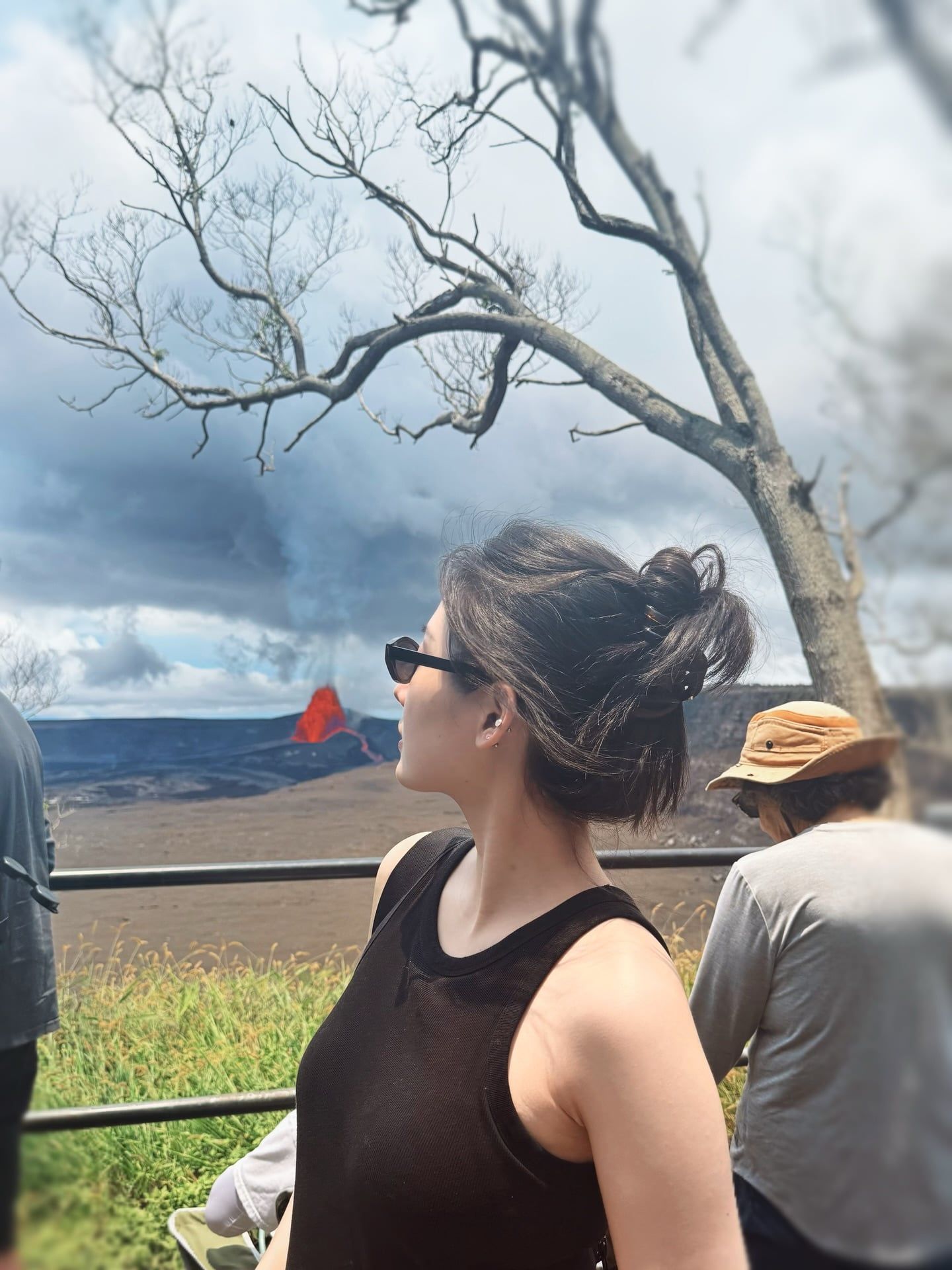
The entrance fee is $30 per private vehicle, $25 per motorcycle, and $15 for pedestrians or bicyclists aged 16 and older. This pass is valid for seven consecutive days. The park entrance station is entirely cashless and only accepts credit or debit cards.
The main areas of the park are open 24 hours a day, 365 days a year. The temporary Welcome Center is open daily from 9:00 a.m. to 4:45 p.m., while the Kahuku Unit operates Thursday through Sunday from 8:00 a.m. to 4:00 p.m.
You can drive 30 miles southwest from Hilo International Airport along Highway 11, which takes about 45 minutes. Alternatively, the fare-free Hele-On Bus Route 11 runs daily from Hilo directly to the park, dropping passengers near Volcano House.
Bring sturdy closed-toe hiking shoes, long pants, and warm layers to handle quick shifts from hot sun to cold rain. When hiking the exposed lava fields, you must also carry and drink at least 3 to 4 quarts of water per person daily to prevent dehydration.
The Welcome Center, Volcano House, and Volcano Art Center are fully wheelchair accessible, and wheelchairs are available first-come, first-served at the Welcome Center. You can also access most of the Sulphur Banks Trail from the Steam Vents parking lot, and there is a short asphalt path at the Kīlauea Overlook.
You do not need a park permit for the two drive-in campgrounds, though Namakanipaio offers cabins run by a concessionaire and Kulanaokuaiki is first-come, first-served. If you plan to camp overnight in the backcountry, your group leader must carry a signed permit obtained from the Backcountry Camping Permit Office.
Lava visibility is never guaranteed because Kīlauea's volcanic activity changes rapidly. You must check the live USGS Hawaiian Volcano Observatory updates and National Park Service alerts to confirm the current eruption status and open viewing areas.
The main Kīlauea Visitor Center is closed for renovations until Summer 2026. A temporary Welcome Center is currently operating at the Kilauea Military Camp, located 1.2 miles away on Crater Rim Drive East.
Browse verified tours with free cancellation and instant confirmation.
Find Tours