
About All ToursDriving Audio ToursFrom Oahu ToursFrom Maui ToursFrom Honolulu ToursBike ToursPrivate Tours Directions Hours & Fees
Find Tours 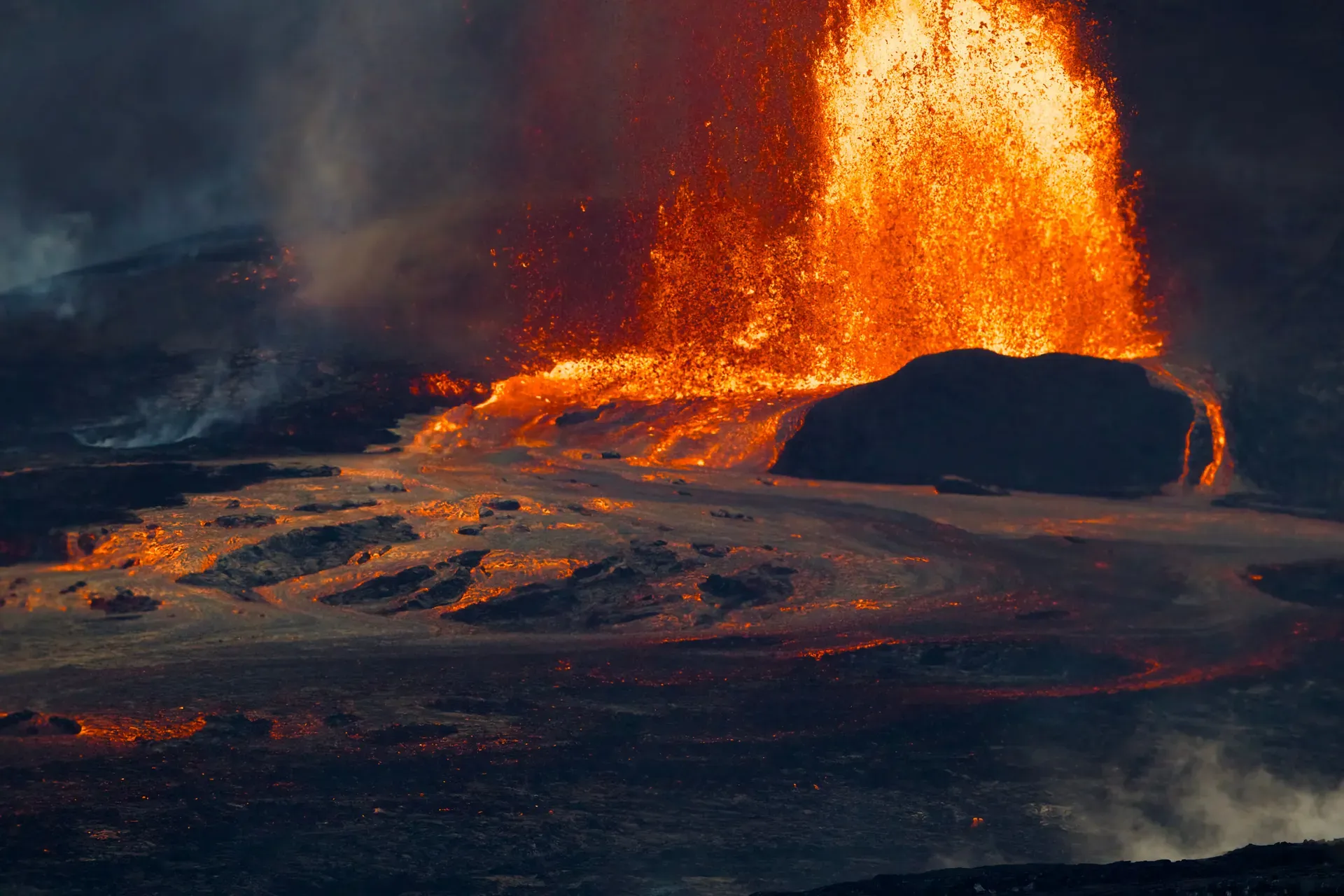
Explore the diverse landscapes and volcanic geology of Hawaii Volcanoes National Park on a guided or self-guided electric bike tour. Enjoy comfortable riding across various climate zones with provided e-bikes, helmets, and expert guidance or GPS audio.
 Free Cancellation
 Explore Hawaiʻi Volcanoes National Park on a guided fat-tire E-bike tour through volcanic landscapes and rainforests.
 Free Cancellation
 Explore Hawaii Volcanoes National Park at your own pace on an e-bike with a GPS audio guide and narrated trail map.
 Free Cancellation
 Explore 19 miles of volcanic landscapes and diverse climate zones on a guided Specialized e-bike tour.
Read what travelers share about their experience visiting Hawaii Volcanoes National Park — from practical tips to personal highlights.

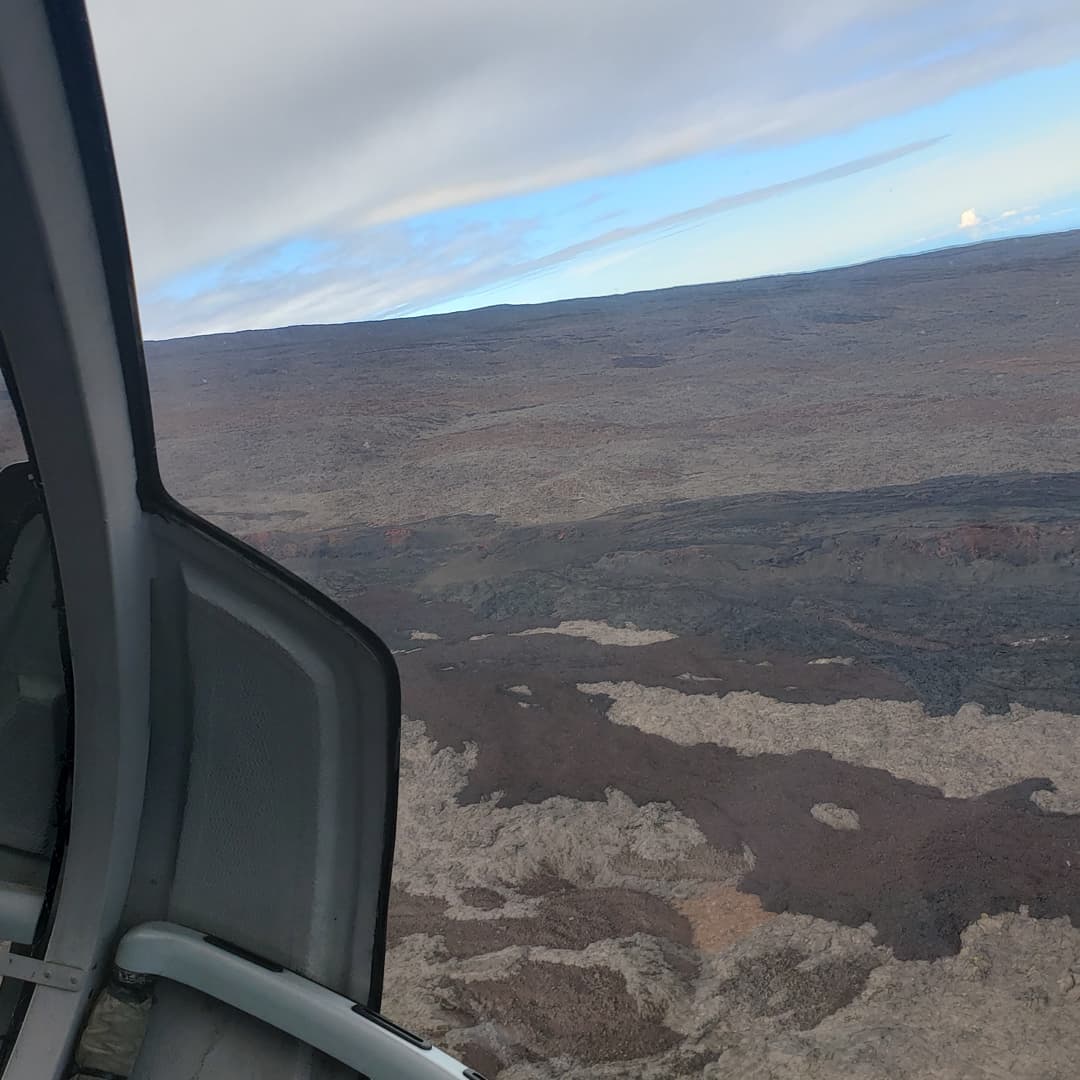
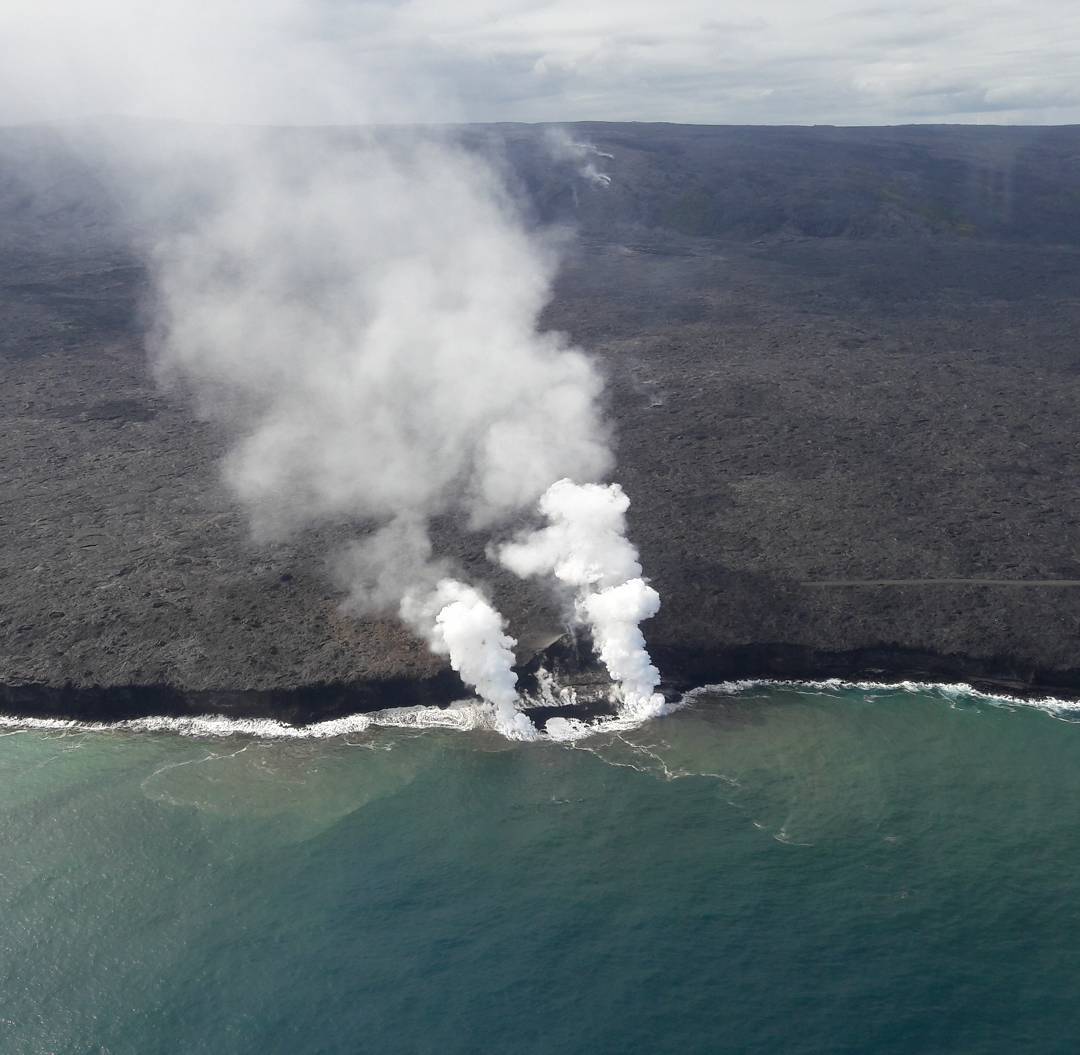
Exploring Hawaii Volcanoes National Park by e-bike offers a thrilling, open-air perspective of one of the world's most active volcanic landscapes. With the help of pedal-assist technology, you will effortlessly cruise past steaming earth cracks, dense rainforests, and massive craters while covering far more ground than you could on foot.
Look down into a solid lava lake from the massive 1959 eruption. The surrounding trails weave through lush, giant fern-filled rainforests.
Witness volcanic gases seeping directly out of the earth. The area is famous for its distinct smell and brightly colored yellow sulphur crystals.
Walk through a 500-year-old underground cave left behind by a massive river of flowing lava, surrounded by dense tropical foliage.
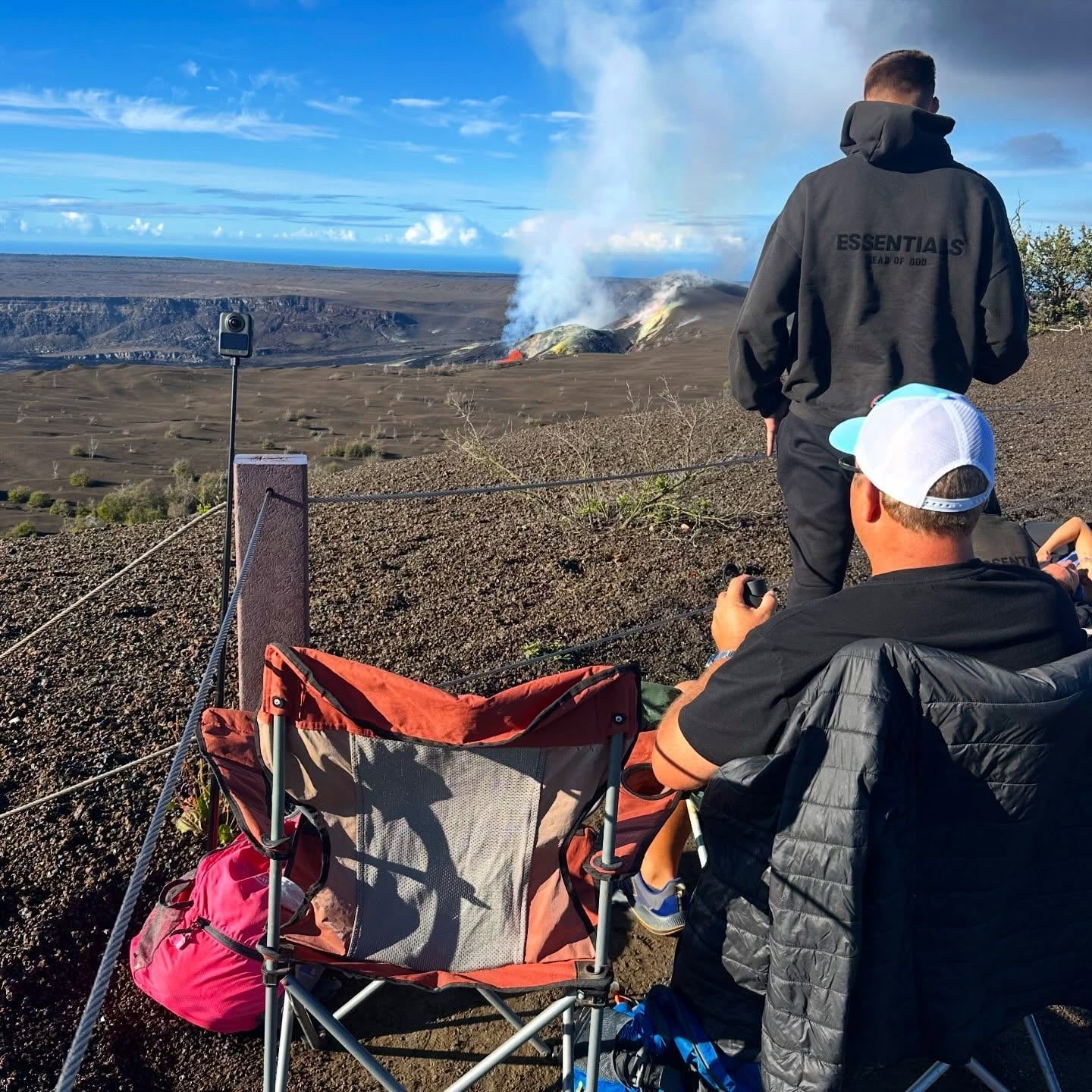
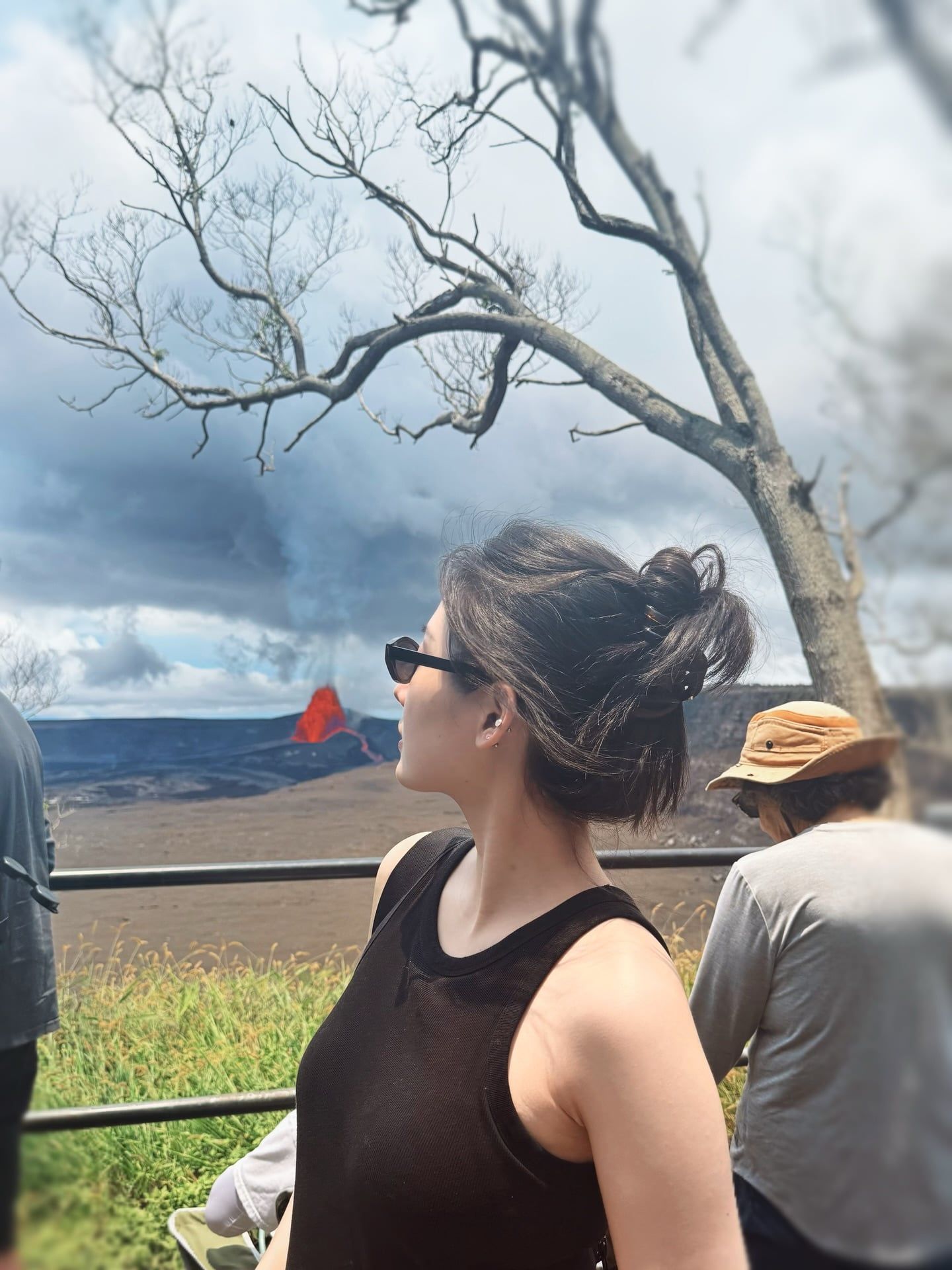
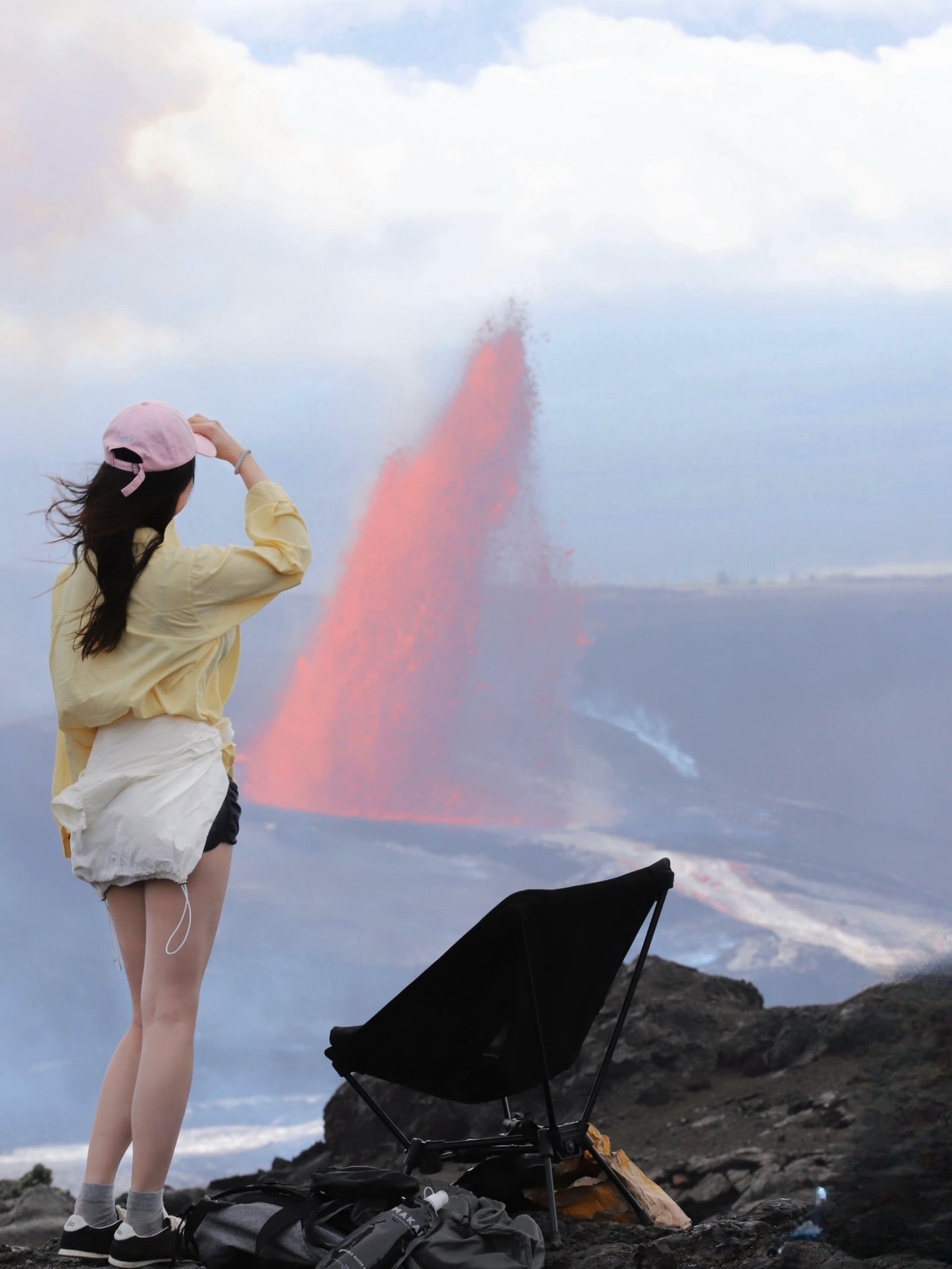
Stand at the edge of Kīlauea's massive four-square-mile active caldera. If you visit late in the day during an eruption, you might catch the famous volcanic glow.
Ride through wildly diverse ecosystems in a single trip, shifting from wet, tropical rainforests to barren, arid volcanic deserts.
Before you reserve your e-bike adventure in Hawaii Volcanoes National Park, there are a few important logistical and physical requirements to keep in mind.
You can choose between fully guided group tours or self-guided audio tours. Guided tours provide a local expert to explain the geology, while self-guided options use a GPS smartphone app to let you explore at your own pace.
Most bike tours do not include the national park entrance fee. You will typically need to pay this upon arrival, which is $15 per individual cyclist or $30 if you are driving a private vehicle into the park.
E-bike riders usually must be at least 15 years old. There are also strict weight restrictions depending on the tour operator, generally capped between 250 and 270 lbs.
While the electric motors help with pedaling, you still need a moderate level of physical fitness. You must be able to confidently steer, shift, and balance a heavy e-bike on both paved roads and gravel paths.
Because of the physical exertion and the high altitude (up to 4,000 feet), these tours are not recommended for pregnant travelers, or those with spinal injuries or poor cardiovascular health.
Tours run rain or shine, and the summit weather changes constantly. You must wear closed-toed shoes and bring layered clothing, as temperatures can drop 15 degrees cooler than at sea level.
If you opt for a self-guided tour, be prepared for a substantial credit card hold. Operators often require a $1,500 pre-authorized equipment deposit per party before you can take the bikes.
Most tour operators offer a standard 24-hour cancellation policy, meaning you can get a full refund if your plans change and you notify them at least a day in advance.
| Guided Fat-Tire E-Bike Tour | Self-Guided Audio E-Bike Tour | Extended Guided E-Bike Journey | |
|---|---|---|---|
| Duration | 3 hours | 4.5 hours | 19 miles (Half-Day) |
| Tour Style | Guided Group | Self-Guided GPS | Guided Group |
| Includes | Fat-Tire E-Bike, Helmet, Water | Hybrid E-bike, Lock, Audio App | Specialized E-bike, Snacks, Rain Jacket |
| Price from | $208 | $159 | $279 |
Main Park: Hawaii Volcanoes National Park is open 24 hours a day, 7 days a week, including all major holidays. This makes it incredibly convenient for early morning or late-night bike rides to avoid traffic.
Welcome Center: The temporary Welcome Center, located at the Kilauea Military Camp, is open daily from 9:00 a.m. to 4:45 p.m. Note that the original Kīlauea Visitor Center is closed for renovations until Summer 2026.
Kahuku Unit: This separate section of the park is open Thursday through Sunday from 8:00 a.m. to 4:00 p.m. and is closed Monday through Wednesday.
By Car: The park's main entrance is located about 30 miles southwest of Hilo International Airport (ITO) via Highway 11. The drive takes roughly 45 minutes. Rental cars are highly recommended, as there are no vehicle rental facilities inside the park.
By Bus: Hawaiʻi County operates the fare-free Hele-On Bus. Route 11 (Red Line) provides daily service from Hilo directly to Volcano, dropping passengers off near the Volcano House hotel and the park entrance.
Tour Meeting Points: Most bike tours meet either just outside the park entrance in Volcano Village or at specific locations inside the park, like the Kilauea Military Camp Historic Theater. Check your specific tour confirmation for GPS coordinates.
Time of Day: To avoid the heaviest crowds and secure parking, plan to arrive before 9:00 a.m. or after 4:00 p.m. Late afternoon and evening visits are highly recommended if there is an active eruption, as the volcanic glow over Halemaʻumaʻu Crater is spectacular after dark.
Time of Year: The park is a year-round destination, but September is excellent for fee-free days (like National Public Lands Day). Winter months can bring heavier rain and dense fog, which might obscure caldera views during your bike ride.
Eruption Status: The absolute best time to visit is during an active eruption phase. Always check the live USGS Hawaiian Volcano Observatory updates before your trip to see if lava is currently visible.
Wheelchair Access: The Welcome Center, Volcano House, and Volcano Art Center are fully wheelchair accessible. Several key trails, including parts of the Sulphur Banks Trail and the Kīlauea Overlook, have paved or accessible paths.
E-Bike Tour Limitations: Bike tours require a moderate level of physical fitness and the ability to balance and steer on uneven terrain. They are not suitable for individuals with spinal injuries, poor cardiovascular health, or pregnant travelers.
Air Quality Concerns: Volcanic gases (vog) can be hazardous. Visitors with respiratory or heart conditions, as well as young children, should closely monitor daily air quality alerts and avoid summit areas if sulfur dioxide levels are high.
Visitor Information: With the main visitor center closed until 2026, head to the temporary Welcome Center at Kilauea Military Camp (about 1.2 miles away) for maps, current eruption updates, and ranger advice.
Food and Drink: The Volcano House hotel offers a restaurant with incredible views of the crater. For quick snacks and water, the Kilauea General Store just outside the park is a popular stop before tours.
Restrooms: Flush toilets are available at the Welcome Center and Volcano House. Accessible vault toilets are stationed at major overlooks and trailheads throughout the park.
Usually, no. Most bike tour operators require you to pay the national park entrance fee separately. The fee is $30 per private vehicle or $15 per individual cyclist or pedestrian, and it is valid for seven days.
You need a moderate level of physical fitness. While the pedal-assist motors do a lot of the heavy lifting, you still need to be able to balance, steer, and pedal on both paved roads and gravel paths for several hours.
Tours operate rain or shine, and the weather at the summit is notoriously unpredictable. You should bring a rain jacket, though some tour operators provide them or sell them at their shop.
Generally, e-bike riders must be at least 15 years old to participate. A few operators might offer specialized infant seats for younger children, but you should call ahead to confirm.
Yes. Depending on the specific bikes used by the tour operator, the maximum weight limit is typically set between 250 lbs and 270 lbs for safety and battery performance reasons.
Yes, self-guided tours provide a GPS audio tour app that you download to your phone. You will need a fully charged smartphone to use the app, which guides you along the crater rim and explains the sights.
There is never a guarantee that you will see active lava. Kīlauea's volcanic activity changes constantly, so you should check the live USGS Hawaiian Volcano Observatory updates on the day of your tour.
Dress in layers, as the summit can be 15 degrees cooler than sea level. Closed-toed shoes are absolutely required, and you should also bring sunglasses, sunscreen, and a rain jacket.
If you are doing a self-guided tour, operators typically require a pre-authorized equipment deposit on a credit card, which can be up to $1,500 per party. Guided tours usually do not require this.
No, it is highly recommended that pregnant travelers do not participate in these tours due to the physical exertion, uneven terrain, and potential risks of falling.
Browse verified tours with free cancellation and instant confirmation.
Find Tours


Ride through Hawaiʻi Volcanoes National Park on a guided tour using fat-tire E-bikes. Your guide will lead you along paved roads, providing information on the park's volcanic geology, local history, and native wildlife. These E-bikes feature pedal assist, throttles, and torque sensors, allowing you to navigate the park and reach scenic overlooks quickly without the parking delays or traffic common with cars. The park is a rainforest environment with temperatures typically ranging from 60°F to 70°F. Tours operate rain or shine, and we do not offer refunds for rainy weather, so please dress accordingly for the conditions. This tour is designed for intermediate to advanced riders. You must be able to safely operate a 26-inch two-wheeled bicycle to participate. We do not provide refunds for an inability to ride the equipment.
For a full refund, cancel at least 24 hours before the scheduled departure time.
English
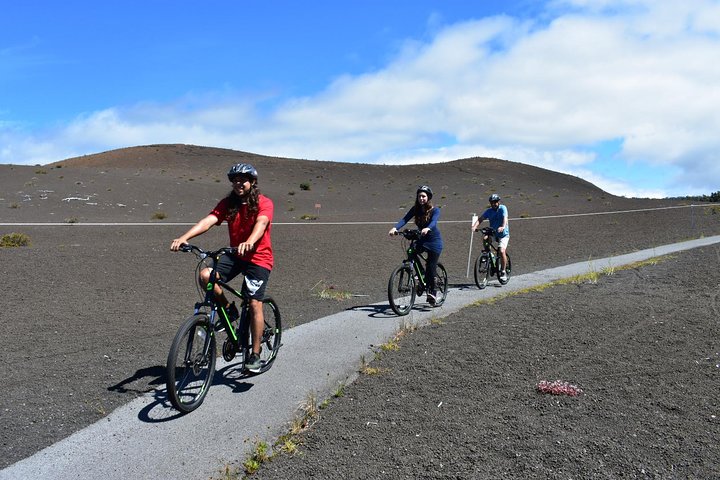


Start your tour at our shop, located less than a mile from the park entrance with secure parking. Because guided bike tours are restricted on park trails, this self-guided e-bike experience uses a GPS audio guide to navigate the crater rim. You can ride at your own speed, stopping whenever you like to avoid the parking delays and crowds associated with vehicle tours. The route follows the rim from one viewpoint to the next, passing through native fern forests and steam vents. The audio guide provides commentary on the park’s geology, Hawaiian culture, and ecology as you reach highlights like the Halemaʻumaʻu Crater, Nahuku (Thurston Lava Tube), and the Volcano House. This setup allows you to spend as much time as you need at active lava viewing areas or scenic overlooks without following a fixed group schedule.
For a full refund, cancel at least 24 hours before the scheduled departure time.
German, Japanese, English, Italian, French, Dutch, Spanish


Explore the diverse landscapes of Hawai‘i Volcanoes National Park on a 19-mile guided journey. Riding Specialized Turbo electric bikes allows you to cover significant ground across various climate zones, from lush forests to stark volcanic fields. Along the route, you will see steaming vents and both historic and recent lava flows while learning about the park’s unique geology and cultural history from a local guide. This small-group tour is designed to provide an intimate look at the world’s most active volcanic area without the constraints of a tour bus. The experience includes high-end pedal-assist bikes, personalized storytelling, and local snacks and hydration. Every detail is handled by your guide, ensuring a seamless ride through one of the most unique environments on Earth.
For a full refund, cancel at least 24 hours before the scheduled departure time.
English