
About All ToursDriving Audio ToursFrom Oahu ToursFrom Maui ToursFrom Honolulu ToursBike ToursPrivate Tours Directions Hours & Fees
Find Tours 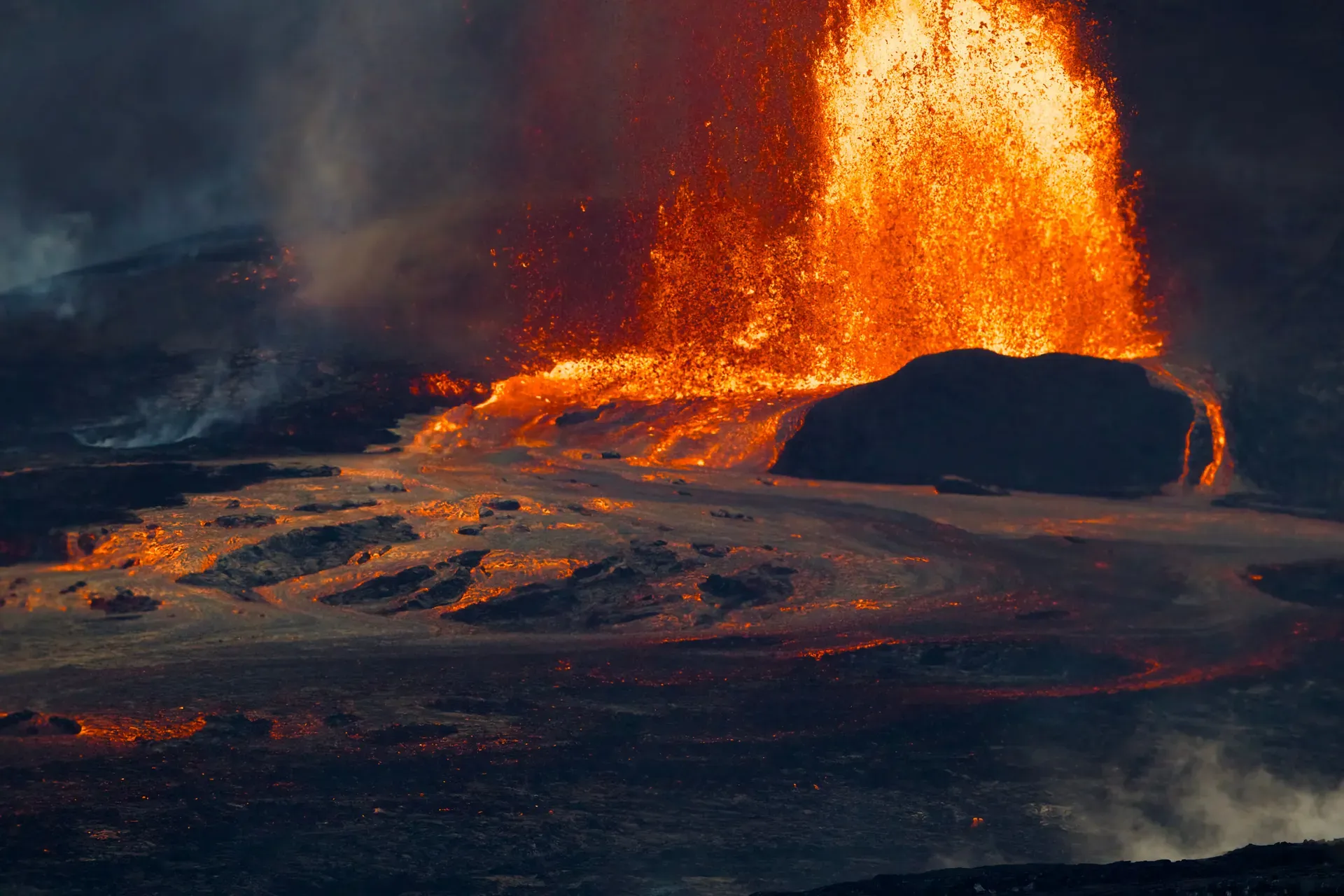
The main park area remains open 24 hours a day, seven days a week, requiring a $30 entrance fee per private vehicle. Visitors can access the Kahuku Unit for free Thursday through Sunday from 8:00 a.m. to 4:00 p.m.
The main park gates never close. Visitors can access the volcanic landscapes 24 hours a day, 365 days a year. Specific facilities operate on restricted schedules, with the temporary Welcome Center closing at 4:45 p.m. daily. Sudden trail closures happen frequently when hazardous volcanic gases or earthquakes strike the summit.
| Day | Hours | Note |
|---|---|---|
| Monday–Wednesday | 24 hours | Temporary Welcome Center open 09:00–16:45. Kahuku Unit is closed. |
| Thursday–Sunday | 24 hours | Temporary Welcome Center open 09:00–16:45. Kahuku Unit open 08:00–16:00. |
National and state holidays do not affect access to the main park. The temporary Welcome Center maintains its standard operating hours 365 days a year. Check live USGS alerts before arriving, as high sulfur dioxide levels force immediate area closures regardless of the calendar date.
Entrance costs $30 per private vehicle for a seven-day pass covering up to 14 passengers. Motorcycles pay $25, while pedestrians and cyclists pay $15 each. The entrance station is entirely cashless, accepting only credit or debit cards.
| Category | Price | Note |
|---|---|---|
| Private vehicle | $30.00 | Valid for 7 consecutive days; admits up to 14 passengers |
| Motorcycle | $25.00 | Valid for 7 consecutive days; admits up to 2 motorcycles and 4 passengers |
| Pedestrian or bicyclist (16+) | $15.00 | Valid for 7 consecutive days |
| Child (15 and under) | Free | |
| Hawaii Tri-Park Annual Pass | $55.00 | Valid for one year at three national parks in Hawaii |
| Commercial mini-bus (16-25 seats) | $100.00 |
Entry is free on designated fee-free days in April, August, September, and November, and the Kahuku Unit never charges an entrance fee.
Planning your visit to Hawaii Volcanoes National Park? Find tours with free cancellation and skip-the-line options.
View All ToursVisiting after dark during an active eruption provides the clearest view of volcanic glow reflecting off rising steam clouds. Heavy rain and dense fog often obscure the caldera during winter months, making September a better alternative with fee-free entry days. Midday crowds fill popular trailheads between 10:00 a.m. and 3:00 p.m., pushing savvy visitors to arrive before 9:00 a.m. or after 4:00 p.m.
| Period | Crowd Level | Recommendation |
|---|---|---|
| Early morning (Before 09:00) | Low | Secure parking at popular trailheads like Nāhuku and Kīlauea Iki before the main influx of daily visitors. |
| Midday (10:00–15:00) | High | Temperatures on the exposed lava fields reach the high 90s, requiring hikers to carry at least 3 to 4 quarts of water. |
| Late afternoon (15:00–17:00) | Moderate | Trailhead parking begins to open up as daytime traffic leaves the park. |
| Night (After 17:00) | Low | Watch the volcanic glow over Halemaʻumaʻu Crater and stargaze under clear skies. |
Plan for a full day to drive the 18.8-mile Chain of Craters Road, hike the Kīlauea Iki crater floor, and watch the night glow. Half-day visits restrict you to summit overlooks and short walks like the Sulphur Banks. Total time depends on which specific trails you hike and whether you stay past dark for evening eruption viewing.
Secure a parking spot at Nāhuku and Kīlauea Iki by arriving before 9:00 a.m. or after 4:00 p.m. These trailhead lots hit capacity between 10:00 a.m. and 3:00 p.m. Night visits swap heavy traffic for clear views of the volcanic glow over Halemaʻumaʻu Crater.
Hand the entrance station attendant a credit or debit card to pay the $30 private vehicle fee. Cash is not accepted anywhere at the gate. Keep your receipt handy, as the pass grants unlimited access for seven consecutive days.
Wear sturdy, closed-toe hiking boots and long pants to protect your skin from sharp, solid lava. Temperatures on the exposed lava fields reach the high 90s, but weather shifts quickly to cold mist and rain. Carry three to four quarts of water per person alongside a rain jacket.
Skip the $30 entrance fee by planning your trip around designated fee-free days in April, August, September, and November. September brings National Public Lands Day, which includes volunteer opportunities in the rainforest. To save money any time of year, drive to the 150-year-old Kahuku Unit on the slopes of Mauna Loa, where entry is always free.
Review live USGS Hawaiian Volcano Observatory updates each morning before driving to the summit. High concentrations of toxic sulfur dioxide can trigger immediate trail closures and obscure caldera views in dense fog. At the first sign of breathing difficulties, sensitive individuals must evacuate the affected area immediately.
Entry costs $30 per private vehicle, $25 per motorcycle, and $15 for pedestrians or bicyclists aged 16 and older. The entrance station operates entirely cashless, accepting only credit or debit cards. Commercial mini-buses with 16 to 25 seats pay $100 for access.
The main park areas remain open 24 hours a day, 365 days a year. Facilities operate on limited schedules, with the temporary Welcome Center open daily from 9:00 a.m. to 4:45 p.m. Arrive before 9:00 a.m. or after 4:00 p.m. to secure parking at crowded trailheads like Nāhuku.
Your $30 vehicle pass covers seven consecutive days of entry. Visitors planning extended stays can buy the $55 Hawaii Tri-Park Annual Pass for a full year of access to three national parks in the state. Plan your trip during April, August, September, or November to catch designated fee-free days.
The temporary Welcome Center sits at Kilauea Military Camp on Crater Rim Drive East. The original Kīlauea Visitor Center remains closed for renovations until Summer 2026. This temporary facility is located 1.2 miles away from the closed building.
The Kahuku Unit requires no entrance fee and operates Thursday through Sunday from 8:00 a.m. to 4:00 p.m. This 150-year-old former cattle ranch sits on the slopes of Mauna Loa, offering a quieter alternative to the main caldera. It remains closed Monday through Wednesday.
The fare-free Hele-On Bus runs daily from Hilo directly to the park. Route 11 drops passengers near the Volcano House hotel and the second entrance to Kīlauea. The 30-mile ride takes one hour and fifteen minutes.
Lava visibility changes by the minute and is never guaranteed. High volcanic activity can actually force temporary trail and overlook closures due to hazardous sulfur dioxide gas or earthquakes. Always check the live USGS Hawaiian Volcano Observatory alerts before driving to the summit.
Browse verified tours with free cancellation and instant confirmation.
Find Tours